Is an "Unsellable" Crypto Token Always a Honeypot? Here’s What the Data Shows
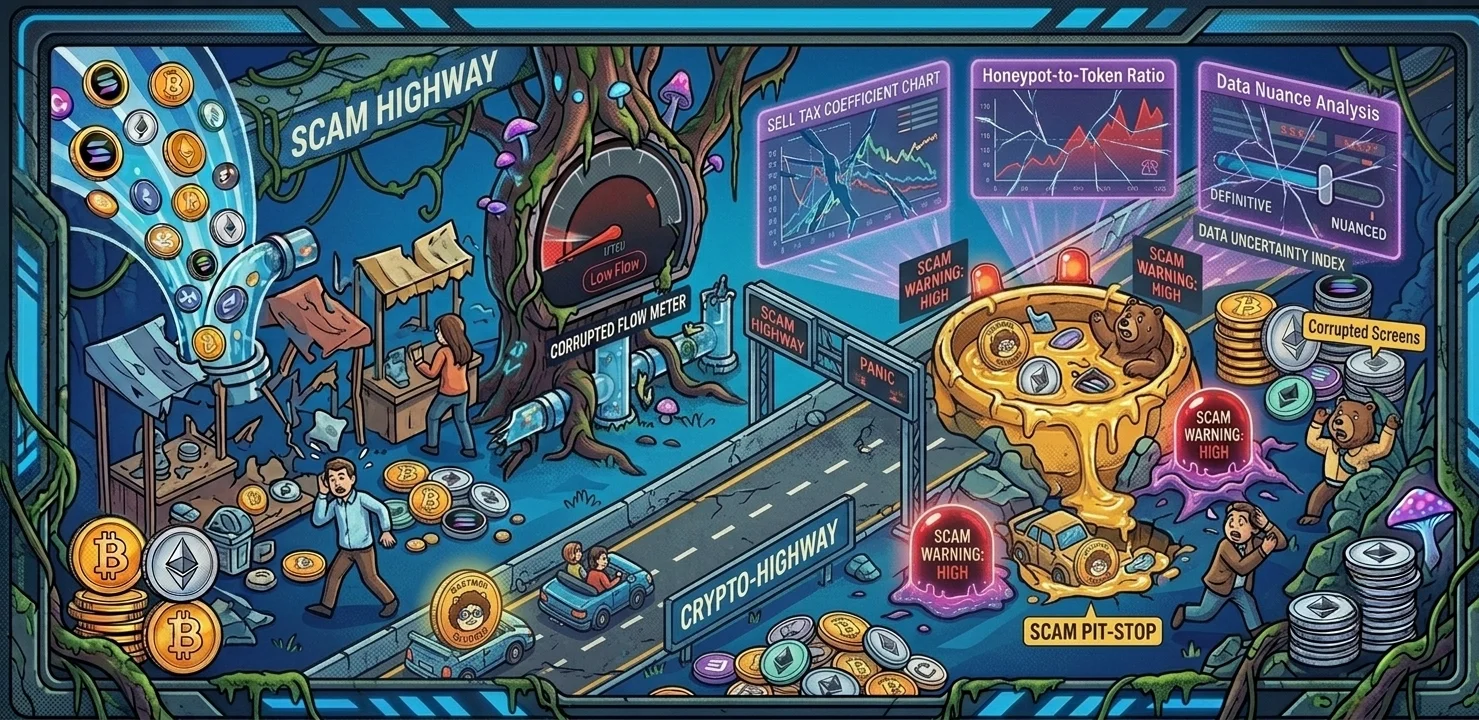
When a new token launches, crypto traders look for any sign of danger. Two red flags cause immediate panic: a token flagged as “unsellable” or a sell tax of 99% or more. For instance, when hackers recently compromised high-profile X accounts to launch the SCATMAN token, early scanners detected both of these exact signals. To most traders, this combination is definitive proof of a crypto honeypot.
However, on-chain data reveals a more nuanced reality. An "unsellable" status or a high sell tax does not automatically mean a token is a permanent scam. Understanding how these contract mechanics work on both EVM chains and Solana is crucial to avoiding actual scams while spotting legitimate trading opportunities.
What Does an "Unsellable" Token Flag Actually Mean?
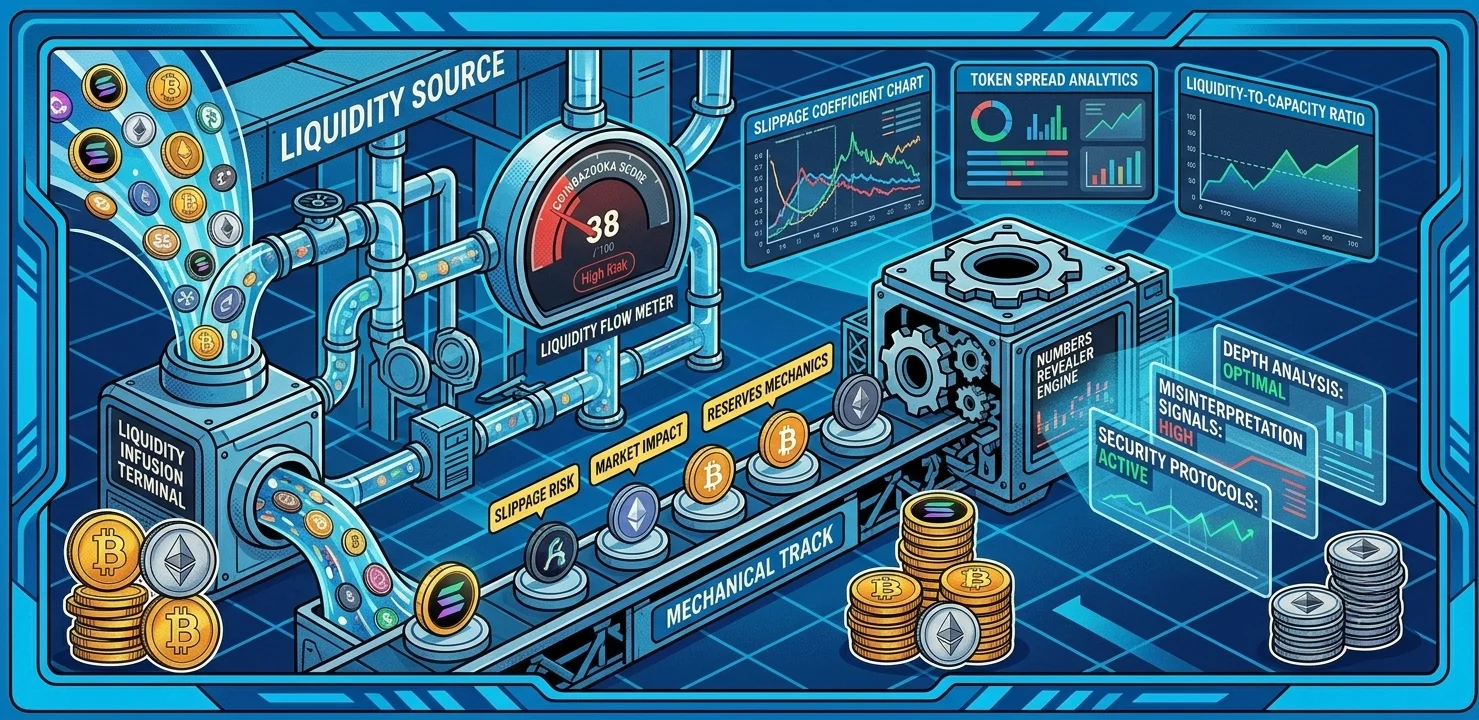
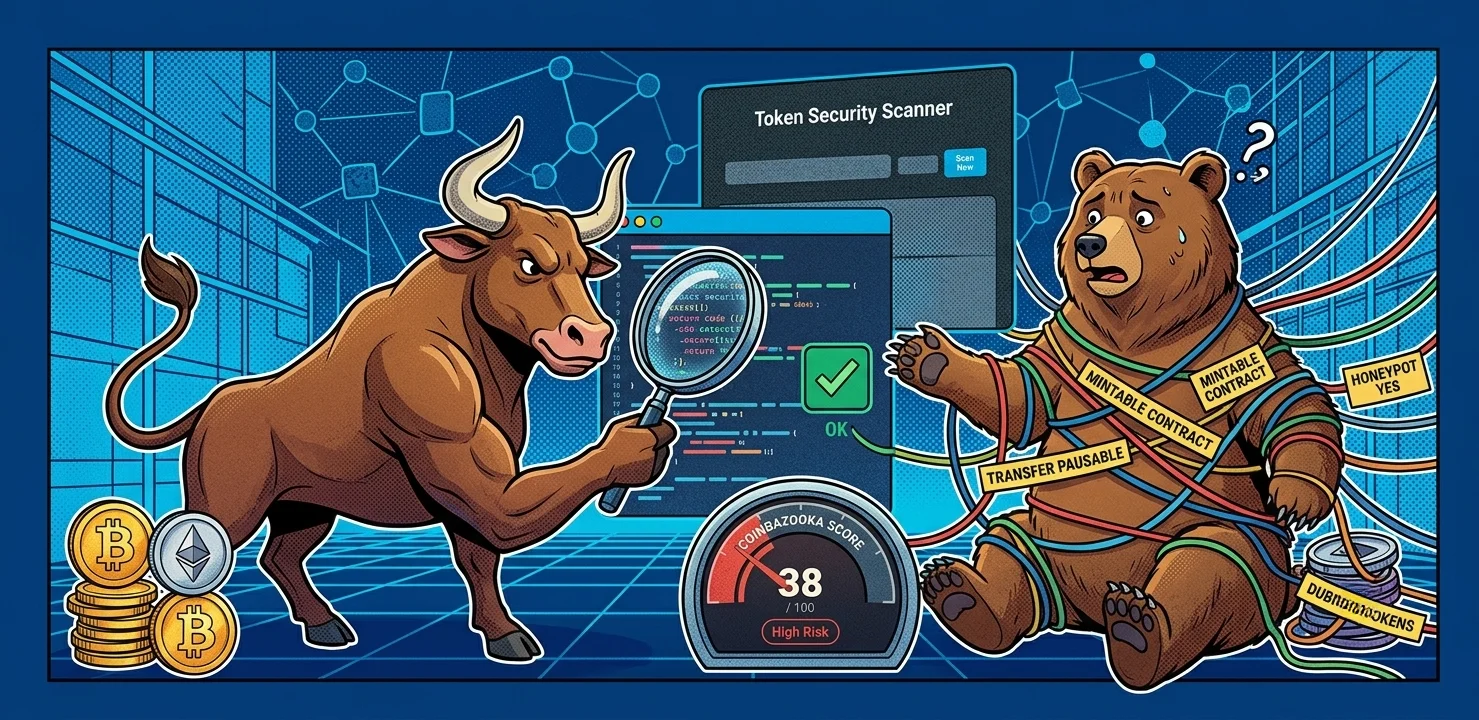
CoinBazooka’s scanner marks an EVM token as unsellable if the smart contract rejects a simulated sell transaction at the exact millisecond of the scan. In our comprehensive dataset of 4,804 EVM-scanned tokens, 418 tokens (8.7%) triggered this warning.
While a honeypot definitely causes a trade rejection, a temporary "unsellable" flag can stem from several benign contract states:
- Paused Trading: Developers frequently pause trading during the first few minutes of a launch to prevent sniper bots from draining the liquidity pool.
- Missing Liquidity Pair: If the deployer has generated the token but has not yet created the trading pair on a Decentralized Exchange (DEX) like Uniswap, the contract will reject all sell attempts.
- Anti-Bot Whitelists: Some smart contracts block all automated addresses at launch, allowing only whitelisted early users to trade initially.
Because this flag captures a single moment in time, it represents a temporary condition rather than a permanent verdict. A developer can unpause the contract or add liquidity later, turning a previously blocked token into a highly liquid asset.
99% Sell Tax vs. Hard Honeypot: Knowing the Difference
Another major warning signal is an extreme sell tax. In our sample, 94 out of 4,804 tokens (1.96%) charged a sell tax of 99% or higher.
Economically, a 99% tax feels identical to a honeypot because you lose virtually all your capital upon selling. However, the technical mechanics are completely different:
- A Honeypot (Hard Reject): The smart contract contains malicious logic that outright blocks the transfer or sale of the token. The transaction fails entirely on the blockchain.
- A High Tax (Successful Transaction): The smart contract permits the transaction, and the blockchain records it successfully. However, the code routes 99% of the value back to the project treasury or a burn address, leaving the seller with less than 1% before slippage.
Projects sometimes employ a temporary, ultra-high tax as a defensive launch mechanism to penalize bots. While buying into a 99% tax token is highly risky, it is technically distinct from a hard coded honeypot.
How to Spot Honeypots on Solana (SPL vs. Token-2022)
The rules change entirely when you switch from EVM chains (like Ethereum or BNB Chain) to Solana.
Traditional Solana SPL tokens use a standardized program that does not natively support transfer taxes. While Solana's newer Token Extensions (Token-2022 standard) do allow developers to build custom tax mechanics, the vast majority of projects still use the standard SPL format. In fact, all 2,703 Solana tokens analyzed by our scanner returned a 0% transfer tax.
Because malicious developers cannot rely on high tax percentages to trap buyers on Solana, they use completely different honeypot vectors. If you want to avoid Solana scams, you must check these two critical permissions:
1. Mint Authority
If the creator retains Mint Authority, they hold the power to print an infinite supply of new tokens out of thin air. They can dump these new tokens into the market, instantly crashing the price to zero and leaving you unable to sell for any value.
2. Freeze Authority
This is the most common cause of a Solana token becoming "unsellable." If Freeze Authority is not revoked, the deployer can instantly freeze your specific token account. Once frozen, your tokens are locked in your wallet forever—you cannot transfer, swap, or sell them.
The Ultimate Checklist: Smart Contract Signals to Watch
To protect your capital when trading minutes after a launch, use this data-driven security checklist:
- For EVM Chains: Look for locked liquidity pools. Ensure the liquidity pool tokens are sent to a verifiable dead address (like
0x000...) or locked in a trusted locker (like Uncx Network). Our data shows that while 60.4% of EVM tokens charge zero taxes, roughly 10.7% charge a dangerous sell tax above 10%. - For Solana: Always verify that both Mint Authority and Freeze Authority are marked as "Revoked" or assigned to a null address. Check that the liquidity pool (Raydium or Orca tokens) is permanently burned.
Limitations of Automated Crypto Scanners
Automated contract scanners like CoinBazooka provide essential technical snapshots, but they cannot read human intent. A scanner reports the exact state of a smart contract code at the moment of inspection. It cannot predict if a developer plans to execute a rug pull tomorrow, nor can it differentiate between a temporary anti-bot configuration and a malicious exploit.
Treat automated scanner data as your first line of defense—a tool to filter out obvious risks—rather than a definitive stamp of financial safety.
Disclaimer: CoinBazooka evaluates smart contract properties, not developer intent. Cryptocurrency trading involves high risk. Nothing in this article constitutes financial advice.